
For more than a century, Morse code — a technique for sending messages using a series of dots and dashes — has been a crucial part of communication. Even though there are speedier ways to communicate these days, Morse code is still useful for walkie-talkies, amateur radio, and emergency communications. Its history, applications, and integration with walkie-talkies are examined in this guide.
How does one define Morse Code?
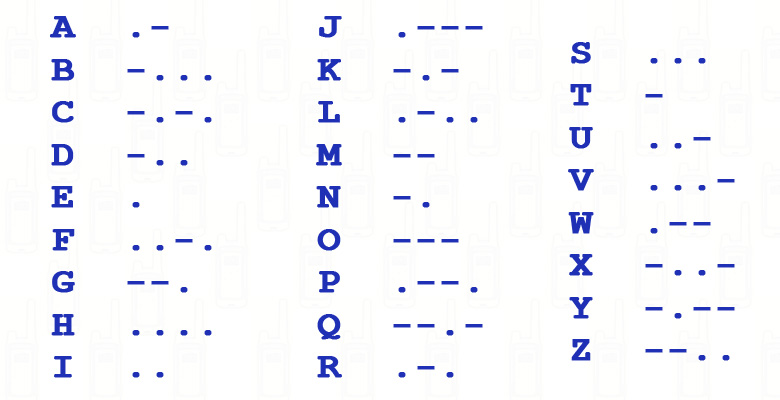
A method of exchanging messages called Morse code uses dots (short signals) and dashes (long signals) to encode text characters, such as letters, numbers, and punctuation marks, into sound signals. It is named after Alfred Vail and Samuel Morse, who invented it. Users of this code system can send messages using radio waves, light, or sound. For instance:
A: .-
B: -…
C: -.-.
The simplicity of Morse code makes it very reliable even in difficult conditions such as noisy environments or poor radio reception. It requires minimal equipment and can be adapted to various forms of transmission, including flashes of light and mechanical signals.
A Brief History of Morse Code
The first official message “What hath God created?” was transmitted between Washington, D.C., and Baltimore.
Morse code was invented in the early 1830s by Samuel Morse and Alfred Vail. By the way, despite the fact that the code system was named after Morse, researchers believe that the alphabet was added by Alfred Vail, and Morse denied his merit. Originally developed for the electric telegraph, this alphabet changed before becoming the standardized system we know today. The first version could only encode numbers, requiring dictionaries to translate them into words. In 1844 it was expanded to include letters and punctuation, making it much more practical.
Early use of Morse code revolutionized communication, allowing messages to be delivered almost instantly over long distances. The first official message “What hath God created?” was transmitted between Washington, D.C., and Baltimore. Over time, Morse code became a staple in the military, naval, and aviation industries.
The International Morse Code is a contemporary modification of Morse code that is standardized for use worldwide. The international version guarantees uniformity across languages and boundaries, in contrast to its original form, which differed by area.
The first official message “What hath God created?” was transmitted between Washington, D.C., and Baltimore.
Learning Morse Code
Learning Morse code may be a useful skill as well as an enjoyable task. Here are a few doable actions:
- Familiarize yourself with Morse code: Start by memorizing the alphabet and numbers in Morse code. Charts and flashcards will help you with this.
- Practice listening: Use online resources or apps that play sounds in Morse code. Focus on identifying letters by their rhythm.
- Use mnemonics: Associate sound patterns with familiar words or images to make it easier to remember codes. For example, “A” (.-) can sound like a “short apple.”
- Practice regularly: Set aside 10 to 15 minutes daily to practice. Apps like AA9PW or The Mill can provide structured lessons.
- Join a community: Amateur radio clubs or online forums can offer guidance and motivation.
Why is Morse code used by amateur radio operators?
Radio amateurs favor Morse code because of its dependability and efficiency. Even in noisy settings, it enables long-distance communication with little bandwidth usage. Additionally, it helps the amateur radio community develop a feeling of heritage and unity.
Useful Implementations in Amateur Radio
Low-power communications: QRP activities, often referred to as low-power transmissions, are best served by Morse code, also known as continuous wave or CW.
Emergency preparedness: Morse code can help avoid issues like interference or damage to infrastructure during natural catastrophes.
International communications: Morse code overcomes language barriers, allowing operators around the world to communicate seamlessly.
In professional environments such as aviation and maritime, Morse code is still used for identification and emergency signals. For example, navigational aids such as NDBs (non-directional beacons) often transmit identifiers in Morse code.
How to transmit Morse code on a walkie-talkie
Walkie radios with push-to-talk buttons can easily transmit Morse code. Here’s how:
Understand the timing: In Morse code, the duration of the shortest signal, the dot, is taken as a unit of time. The duration of a dash is three dots. The pause between elements of one character is one dot, between characters in a word – 3 dots, between words – 7 dots. The code can be transmitted at any available speed, the main thing is to try to keep the intervals.
Practice precision: Consistent timing ensures the clarity of your message. Start slow and gradually increase the tempo.
Clarity of signal: Make sure the surroundings are quiet to minimize interference.
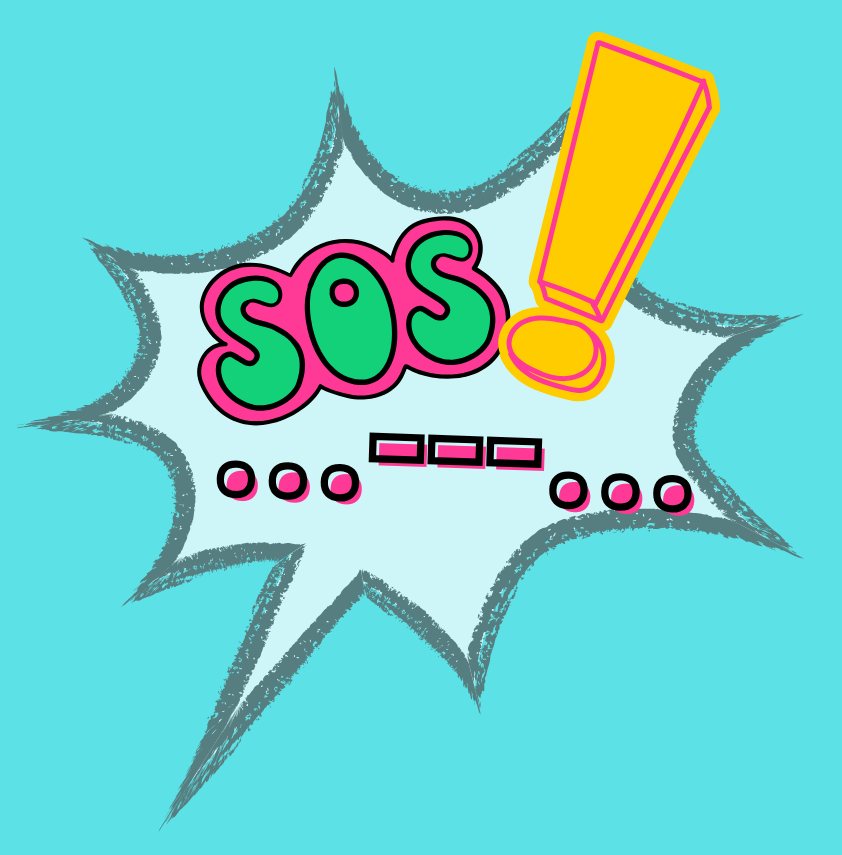
SOS signals: When emergency, transmit the universal distress signal (SOS: . . . – – – . . .) by pressing the appropriate PTT button.
Advanced techniques:
Use preset channels to avoid confusion during group communication.
Combine Morse code with flashlight signals for visual confirmation in noisy areas.
Morse Code Transmission Frequencies
In the United States and Europe, specific frequencies are recommended for Morse code communication. These include the amateur radio bands, such as:
- 0–7.2 MHz (40 meters): Popular for regional communication.
- 0–14.35 MHz (20 meters): Ideal for long-distance transmission.
- 5–3.8 MHz (80 meters): Suitable for night-time operations.
Always check regional regulations before transmitting, as frequency allocations may vary.
How to Send an SOS Signal
To send an SOS signal, transmit the sequence: …—… (three dots, three dashes, three dots). This can be done via sound, light, or radio. Rescuers, including ships, aircraft, and amateur radio operators, are trained to recognize and respond to this distress call.
Who will hear the SOS signal?
Marine and aviation services: Coast guards and air traffic controllers monitor distress frequencies and respond quickly to signals received.
Ham radio operators: Many of them have emergency communication skills and can relay messages to authorities.
Search and rescue teams: Equipped with tools to detect and decipher SOS signals.
A Table of Signs and Prosigns of Morse Code
| Letter | Morse code | Signal |
|---|---|---|
| A | .- | di-dah |
| B | -… | dah-di-di-dit |
| C | -.-. | dah-di-dah-dit |
| D | -.. | dah-di-dit |
| E | . | dit |
| F | ..-. | di-di-dah-dit |
| G | –. | dah-dah-dit |
| H | …. | di-di-di-dit |
| I | .. | di-dit |
| J | .— | di-dah-dah-dah |
| K | -.- | dah-di-dah |
| L | .-.. | di-dah-di-dit |
| M | — | dah-dah |
| N | -. | dah-dit |
| O | — | dah-dah-dah |
| P | .–. | di-dah-dah-dit |
| Q | –.- | dah-dah-di-dah |
| R | .-. | di-dah-dit |
| S | … | di-di-dit |
| T | – | dah |
| U | ..- | di-di-dah |
| V | …- | di-di-di-dah |
| W | .– | di-dah-dah |
| X | -..- | dah-di-di-dah |
| Y | -.– | dah-di-dah-dah |
| Z | –.. | dah-dah-di-dit |
| Prosign | Morse | Signal |
|---|---|---|
| New line | .-.- | di-dah-di-dah |
| End of message (or +) | .-.-. | di-dah-di-dah-dit |
| Wait (also &) | .-… | di-dah-di-di-dit |
| Break | -…-.- | dah-di-di-di-dah-di-dah |
| New paragraph (or =) | -…- | dah-di-di-di-dah |
| Going off the air (“clear”) | -.-..-.. | dah-di-dah-di-di-dah-di-dit |
| Start copying | -.-.- | dah-di-dah-di-dah |
| Change to wabun code | -..— | dah-di-di-dah-dah-dah |
| Starting signal | -.-.- | dah-di-dah-di-dah |
| Invite a specific station to transmit | -.–. | dah-di-dah-dah-dit |
| End of transmission (or <VA>) | …-.- | di-di-di-dah-di-dah |
| Understood (or <VE>) | …-. | di-di-di-dah-dit |
| Distress message | …—… | di-di-di-dah-dah-dah-di-di-dit |
How does Morse Code sound
SOS signal:
“Danger”:
“New line 5”:
Morse Code Decoding Apps
Learning and using Morse code is a fun and interesting process. But if this is not your goal, and circumstances require receiving Morse signals, then using decoding programs is for you. Their task is to convert your messages into Morse code and vice versa. These tools are available as online platforms, mobile applications, and programs. Here are two examples:
- Morse Code Translator – enter your text and choose the speed of Morse code playback.
- Morsecodee: a fast and easy decoder for translating code into text and vice versa. It contains quick words and offers many languages.
These tools are great for both students and professionals, simplifying the process of mastering Morse code.
Modern Morse Code Replacement: ASCII
Although ASCII, which stands for American Standard Code for Information Interchange, has also been used, Morse code is still a classic. With ASCII data can be exchanged between computers and digital devices thanks to ASCII’s ability to encode text in binary code. Internet protocols, SMS, and email are some of its uses. Although ASCII uses more bandwidth than Morse code, it offers more flexibility for complicated data.
Techniques for Digital Communication That Are Like Morse Code:
- In contemporary computers, binary encoding is used to represent data and text.
- A forerunner of ASCII, the Baudot Code was utilized in teletype machines.
- Q Codes: Morse’s brevity-like standardized shorthand used in radio communication.
In conclusion
Using walkie-talkies and knowing Morse code is a new level of your communication. Morse signals will allow you to transmit clear messages even from places with poor signal and high noise levels. Morse code transmitted by walkie-talkie will make your communication faster, leaving time for work. In emergencies, the SOS signal transmitted by walkie-talkie in dots and dashes is an unambiguous, loud, and clear signal for help that will be heard.
Open and download tables of Morse Codes
NATO Phonetic Alphabet
The NATO phonetic alphabet—also called the ICAO spelling alphabet—is a standardized set of code words used to clearly represent the 26 letters of the Latin alphabet over voice channels. It minimizes confusion caused by similar-sounding letters, varying accents, and noisy radio conditions. For example, instead of saying “B” or “D,” speakers say “Bravo” or “Delta,” which are much harder to mishear.
This alphabet is widely used in aviation, maritime operations, emergency services, call centers, and everyday contexts where clarity matters (e.g., spelling names or reference codes over the phone). Two spellings are intentionally nonstandard—Alfa (not “Alpha”) to avoid the “ph” sound, and Juliett (with a double “t”) to ensure correct final consonant pronunciation across languages.
| Letter | Code Word |
|---|---|
| A | Alfa |
| B | Bravo |
| C | Charlie |
| D | Delta |
| E | Echo |
| F | Foxtrot |
| G | Golf |
| H | Hotel |
| I | India |
| J | Juliett |
| K | Kilo |
| L | Lima |
| M | Mike |
| N | November |
| O | Oscar |
| P | Papa |
| Q | Quebec |
| R | Romeo |
| S | Sierra |
| T | Tango |
| U | Uniform |
| V | Victor |
| W | Whiskey |
| X | X-ray |
| Y | Yankee |
| Z | Zulu |
P.S.
Hey! Comment bellow, what did I write? …. .- …- . .- –. — — -.. -.. .- -.–
Bye – bye 🙂





Fantastic goods from you, man. I have remember your stuff prior
to and you’re just extremely magnificent. I actually
like what you have acquired right here, certainly like what you are saying and the way
in which through which you say it. You make it enjoyable and you still take care
of to keep it smart. I can’t wait to learn much more from you.
This is really a terrific site.
Thank you so much for your wonderful feedback! It truly means a lot to me. Comments like yours are a huge motivation to keep creating more high-quality content. Thanks again for taking the time to share your thoughts!
O padrão SOS em Morse foi escolhido por produzir uma sequência simples, simétrica e fácil de reconhecer. Consulte a demonstração interativa e compare os sinais sonoros e luminosos.