

There is no fixed “20 km range” specification for binoculars: a binocular does not stop working at a particular distance. At roughly 12 miles, usable detail depends on magnification, optical resolution, atmospheric haze and heat shimmer, target contrast, and—critically—image stability. For serious long-distance terrestrial observation, 15×56 is the most balanced configuration in this shortlist, while 18×56 and 20×80 provide more visual scale when a tripod is practical. Canon’s stabilized 18×50 is the exception for users who need high magnification without relying constantly on a support. For most buyers, prioritize optical quality and stability before chasing the largest magnification number, because an unstable 20x image can reveal less practical detail than a steady, sharper 15x view.
- Best balance: 15×56 combines useful long-range magnification with a 3.7 mm exit pupil and manageable size.
- Maximum visual scale: 18x–20x is useful from fixed positions, but a tripod becomes increasingly important.
- Handheld observation: Image stabilization can be more valuable than simply increasing magnification.
- Main tradeoff: More magnification reveals a larger apparent target but magnifies shake, narrows the field, and cannot overcome atmospheric distortion.
- Whether you will normally observe from a tripod or need genuinely usable handheld viewing.
- Whether you prefer the balanced 15×56 format or are willing to accept more weight and support requirements for 18x–20x.
- Whether your priority is maximum detail per dollar, professional optical quality, or image stabilization.
LONG-RANGE BINOCULARS ON

- ✓ Expert optical advice
- ✓ Fast and secure shipping across the USA
- ✓ Official manufacturer’s warranty
As an Amazon Associate, we earn from qualifying purchases at no extra cost to you.
Top 10 Binoculars for Long-Range Observation
These ten binoculars cover five distinct buying levels, from inexpensive 20x instruments to stabilized and premium long-range optics. Specifications marked N/A were not confirmed reliably enough to infer.
| Category | Best Value for Money | Recommended Option | Professional Choice | High-End / Premium | Budget Option | |||||
|---|---|---|---|---|---|---|---|---|---|---|
| Model | 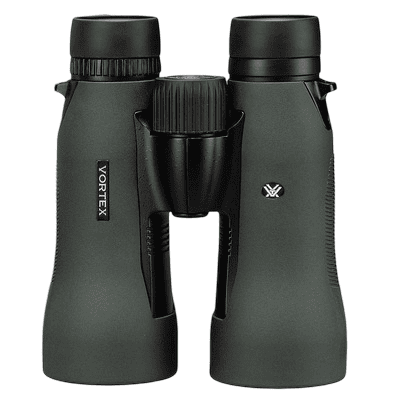 Vortex Diamondback HD 15×56 Vortex Diamondback HD 15×56 | 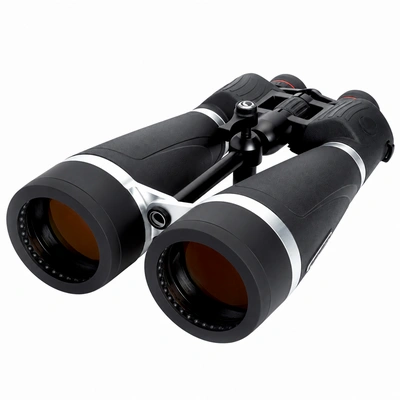 Celestron SkyMaster Pro 20×80 Celestron SkyMaster Pro 20×80 | 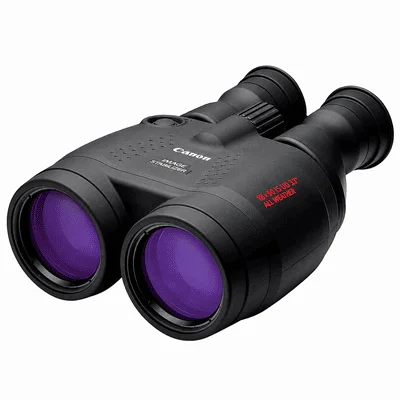 Canon 18×50 IS All Weather Canon 18×50 IS All Weather | 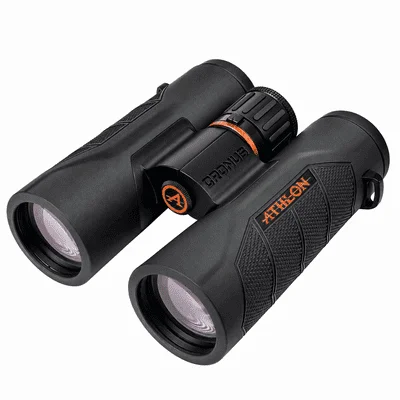 Athlon Cronus G2 UHD 15×56 Athlon Cronus G2 UHD 15×56 | 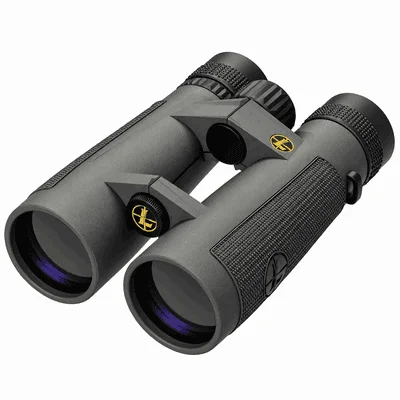 Leupold BX-5 Santiam HD 15×56 Leupold BX-5 Santiam HD 15×56 | 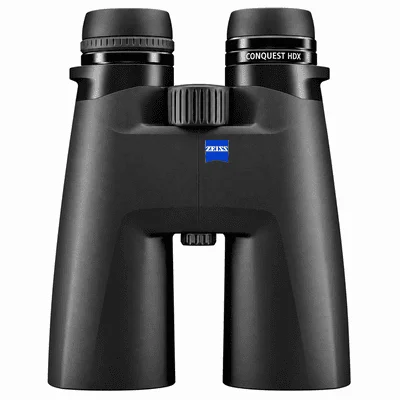 ZEISS Conquest HDX 15×56 ZEISS Conquest HDX 15×56 | 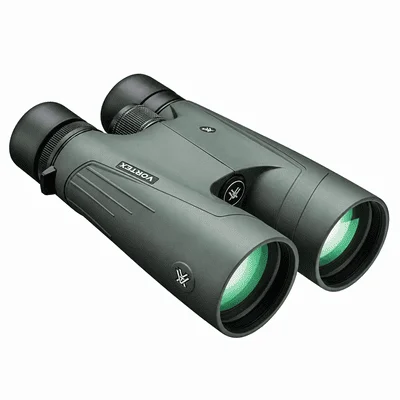 Vortex Kaibab HD 18×56 Vortex Kaibab HD 18×56 | 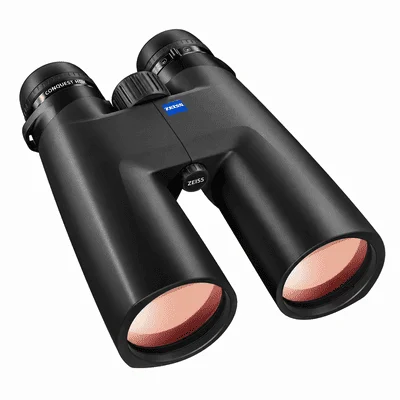 ZEISS Conquest HDX LRP 15×56 ZEISS Conquest HDX LRP 15×56 | 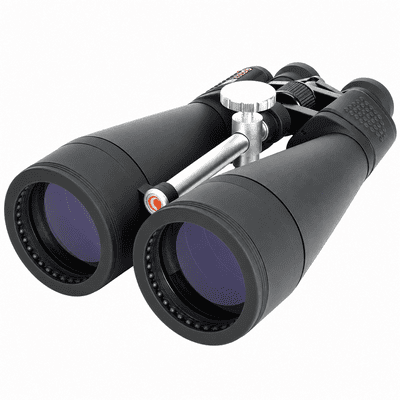 Celestron SkyMaster 20×80 Celestron SkyMaster 20×80 | 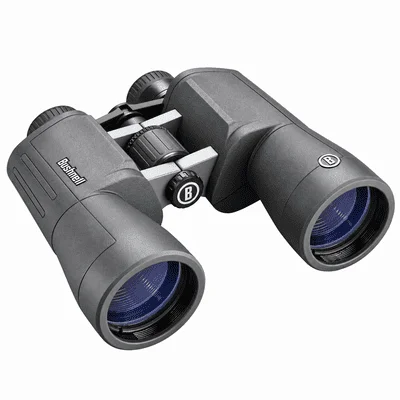 Bushnell PowerView 2 20×50 Bushnell PowerView 2 20×50 |
| Magnification x Objective Lens (mm) | 15×56 | 20×80 | 18×50 | 15×56 | 15×56 | 15×56 | 18×56 | 15×56 | 20×80 | 20×50 |
| Prism Type | Roof | Porro | Porro II | Abbe prism | Roof | Abbe-König | Roof | Abbe-König | Porro | Porro |
| Prism Glass | N/A | BaK-4 | N/A | N/A | N/A | N/A | N/A | N/A | BaK-4 | BK-7 |
| Optical Coating | Fully multi-coated; dielectric prism coatings | Fully multi-coated XLT | N/A | Advanced fully multi-coated; ESP dielectric | Fully multi-coated; Guard-ion | ZEISS T* / LotuTec | XR Plus | ZEISS T* / LotuTec | Multi-coated | Multi-coated |
| Exit Pupil (mm) | 3.7 | 4.0 | 2.8 | 3.7 | 3.7 | 3.7 | 3.1 | 3.7 | 4.0 | 2.5 |
| Field of View, ft @ 1,000 yd | 230 | 168 | 194 | 235 | 231 | 240 | 194 | 240 | 195 | 165 |
| Featured | Lightweight 15x | 80 mm Objective | Image Stabilized | UHD Glass | HD Optics | 90% Transmission | 18x Power | MRAD Reticle | Value 20×80 | Low-Cost 20x |
| Close Focus Distance, ft | 14.0 | 66.2 | 19.7 | 13.1 | 9.8 | 11.5 | 19.8 | 11.5 | 108 | 31 |
| Waterproof | Yes | Yes | Water-resistant | Yes | Yes | 400 mbar | Yes | 400 mbar | Water-resistant | N/A |
| Fogproof | Yes | Yes, nitrogen filled | N/A | Yes, argon purged | Yes | Yes, nitrogen filled | Yes | Yes, nitrogen filled | N/A | N/A |
| Dimensions, in | 7.1 x 5.8 | 13 x 9.5 x 4 | 6.0 x 7.6 x 3.2 | 8.7 x 6.2 | 8.2 length | 8.3 x 5.7 | 7.7 x 5.7 | 8.26 x 5.7 | N/A | 6.7 length |
| Weight, lb | 2.18 | 5.40 | 2.60 | 2.83 | 2.81 | 2.79 | 2.72 | 2.79 | 4.69 | 1.78 |
| Price & Offer | $$$ | $$ | $$$$$ | $$$ | $$$$ | $$$$$ | $$$$ | $$$$$ | $$ | $ |
How We Selected These Models
The shortlist was built around the real problem behind a “20 km range” search: obtaining useful terrestrial detail at extreme distances rather than finding a binocular with an artificial distance rating.
Long-range candidates
Ten distinct high-magnification configurations were carried through the documented selection pool, spanning 15×56, stabilized 18×50, 18×56, 20×50, and 20×80 designs. The initial filters emphasized genuine long-range relevance, current manufacturer documentation, practical stability, optical specifications, and US-market relevance. The resulting ten intentionally represent different purchase decisions rather than ten nearly identical binoculars.
What matters at extreme distance
- Magnification: 15x–20x provides meaningful target scale at long distance, but higher power becomes useful only when shake is controlled.
- Image stability: Tripod compatibility or optical stabilization matters because tiny angular movements become conspicuous at 15x, 18x, and 20x.
- Objective size and exit pupil: Larger objectives can preserve a more usable exit pupil at high power, especially as available light falls.
- Optical system: Confirmed HD, UHD, low-dispersion elements, coatings, and premium prism systems were weighed for their contribution to contrast and fine detail.
- Field of view: Long-distance observers still need to locate and track targets; excessive tunnel vision makes high magnification less convenient.
- Weight: A large 20×80 can be effective from a fixed position but imposes a substantially different carrying and tripod burden from a 15×56.
- Weather protection: Waterproofing and internal purging matter for outdoor observation where temperature changes and moisture can compromise usability.
Technical and editorial evaluation
This ranking is based on manufacturer specifications, available technical documentation, optical-system design, and comparison with direct alternatives. Regional retail information was checked separately where possible. No physical field test was performed for this guide, so conclusions about practical suitability are technical and editorial evaluations rather than claims of hands-on testing.
How to Choose Between the Top 10
You do not need to compare every specification. Start with how you intend to stabilize the binocular and how much magnification you actually need, then narrow the shortlist by budget and optical expectations.
Detailed Reviews
Each model below is evaluated according to its specific role in long-distance terrestrial observation, with emphasis on what its specifications mean in practical use.
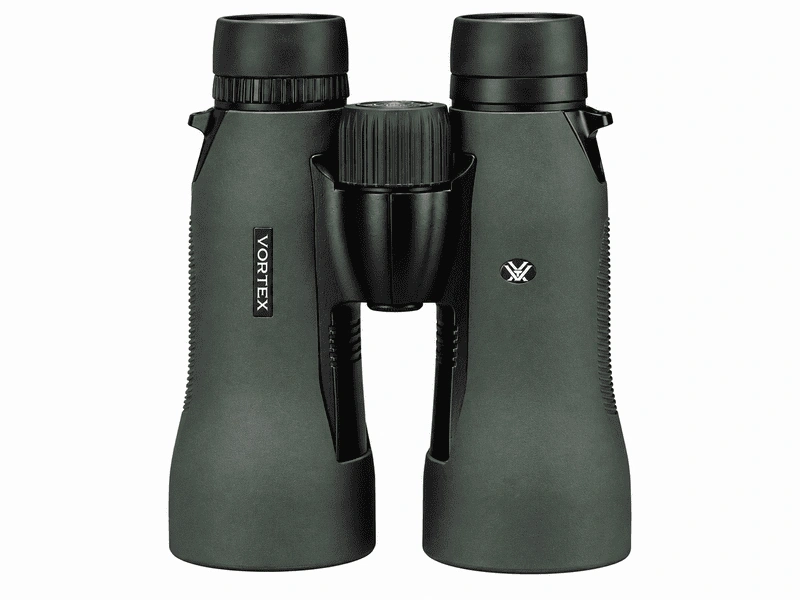
Vortex Diamondback HD 15×56
A practical entry point into serious 15x observation, combining a 56 mm objective, relatively low 34.8 oz weight, and tripod-oriented long-range capability.
Why We Selected It
The Diamondback HD earns its place by making the useful 15×56 format accessible without the weight or price of many professional models. Its 230-ft field at 1,000 yd is competitive for this magnification, while the HD optical system, fully multi-coated lenses, and dielectric prism coatings address the contrast and resolution demands of distant observation. It is also lighter than most other 15×56 models here.
- The 15×56 configuration provides substantial visual scale while retaining a 3.7 mm exit pupil, a useful compromise for daytime and changing-light observation.
- A 230-ft field at 1,000 yd makes locating distant subjects less restrictive than very narrow high-power designs.
- At 34.8 oz, it reduces the carrying burden compared with many premium 15×56 binoculars weighing around 44–45 oz.
- Vortex recommends tripod use and includes an adapter, allowing the 15x magnification to deliver more of its available detail.
Long-range wildlife watchers, hunters, landscape observers, and buyers who want a serious 15×56 binocular without moving into four-figure premium pricing.
Users expecting comfortable prolonged handheld observation. Fifteen-power magnification still benefits strongly from a tripod despite the comparatively manageable weight.
Our Verdict
This is the shortlist’s strongest starting point for a buyer who understands that “20 km range” is fundamentally a stability and image-quality problem rather than a distance specification. It cannot match the stabilization advantage of the Canon 18×50 IS or the optical ambitions of the ZEISS and Leupold models, but its combination of 15x power, 56 mm objectives, usable field of view, low relative weight, and tripod support makes sense. Choose it over inexpensive 20x binoculars when you value a more balanced instrument and expect to spend meaningful time observing rather than simply maximizing the magnification number.
PROs 👍
- Useful 15×56 configuration
- Relatively light for the class
- 230-ft field of view
- Tripod adapter included
CONs 👎
- Tripod strongly preferred
- Below premium models in optical sophistication
Evaluation is based on the confirmed 15×56 configuration, manufacturer specifications, documented optical features, and comparison with the other long-range binoculars in this ranking.
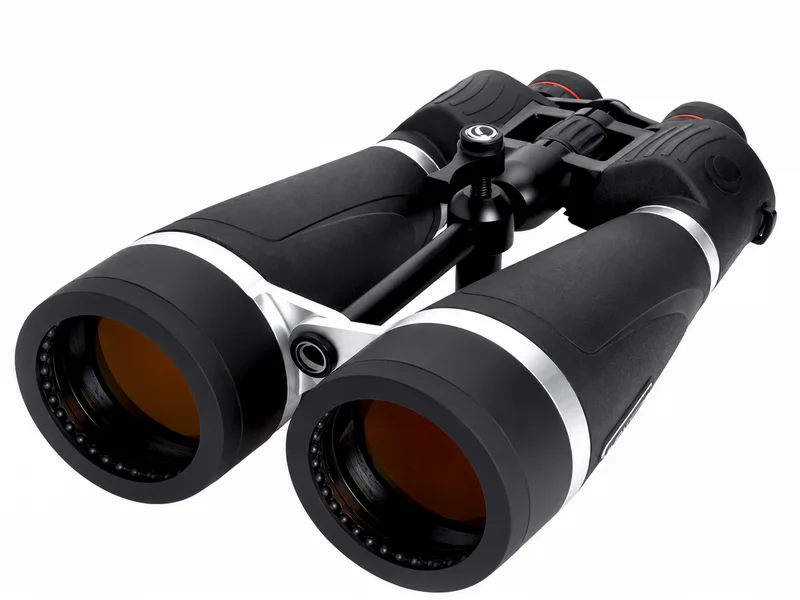
Celestron SkyMaster Pro 20×80
A large, tripod-oriented 20×80 designed for buyers who prioritize magnification and light-gathering capability over portability.
Why We Selected It
The SkyMaster Pro combines 20x magnification with 80 mm objectives, BaK-4 prisms, XLT fully multi-coated optics, waterproof construction, and nitrogen filling. That specification makes it particularly relevant when observation happens from a balcony, overlook, hide, or other fixed position. Compared with the standard SkyMaster 20×80, the Pro adds more comprehensive environmental protection and upgraded coatings.
- The 80 mm objectives maintain a 4 mm exit pupil at 20x, giving this design more light-gathering headroom than compact 20×50 binoculars.
- Twenty-power magnification gives distant subjects greater apparent scale, useful when the instrument is mounted firmly enough to suppress shake.
- Fully multi-coated XLT optics are a meaningful upgrade over the standard SkyMaster’s simpler multi-coated specification.
- Waterproofing and nitrogen filling improve suitability for outdoor use where moisture and temperature changes are realistic concerns.
Fixed-position landscape viewing, distant wildlife, astronomy, coastal observation, and buyers willing to use a substantial tripod for maximum 20×80 performance.
Hiking, spontaneous handheld scanning, or users who want a compact binocular. At roughly 5.4 lb, support is effectively part of the system.
Our Verdict
The SkyMaster Pro 20×80 makes sense when the observation point is more permanent than the observer. Its major advantage is straightforward: 20x magnification paired with 80 mm objectives gives both scale and a 4 mm exit pupil. The penalty is equally clear—size and weight. Compared with a Diamondback HD 15×56, it is much less convenient to carry and scan with, but a stable tripod allows its extra magnification to become useful. Compared with the cheaper standard SkyMaster, the Pro’s waterproofing, nitrogen filling, and XLT coatings make it the more convincing terrestrial long-range choice.
PROs 👍
- 20x magnification
- Large 80 mm objectives
- 4 mm exit pupil
- Waterproof and nitrogen filled
CONs 👎
- Very heavy
- Narrower 168-ft field
- Requires substantial support
Assessment is based on Celestron’s documented 20×80 specifications and comparison with other high-magnification fixed-position options.
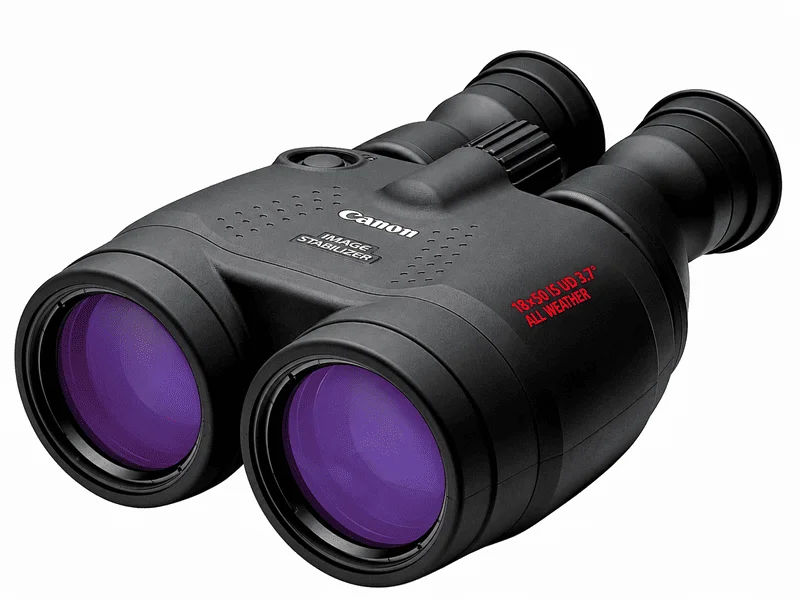
Canon 18×50 IS All Weather
The most distinctive model here because its built-in image stabilization tackles the principal practical weakness of handheld 18x viewing.
Why We Selected It
At extreme distance, stability often determines whether extra magnification translates into visible detail. Canon’s Vari-Angle Prism image stabilizer directly addresses that problem. The 18×50 configuration also uses UD glass and field-flattener elements. It therefore occupies a different role from every tripod-first model here: high magnification that can remain practically useful when setting up a support is inconvenient.
- Vari-Angle Prism stabilization suppresses hand-induced image movement, helping 18x magnification reveal detail that would otherwise be obscured by shake.
- UD glass is designed to reduce chromatic aberration, which matters around high-contrast edges on distant subjects.
- Field-flattener elements improve image quality toward the edge, making the available field more useful for scanning.
- The 18×50 format remains far more portable than an 80 mm binocular while delivering more magnification than conventional 15×56 designs.
Observers who need 18x magnification from vehicles, balconies, boats at rest, viewpoints, or other situations where repeatedly deploying a tripod is undesirable.
Buyers prioritizing a large exit pupil, passive simplicity, or the lowest price. Stabilization requires batteries and adds cost and system complexity.
Our Verdict
For many people searching specifically for extreme-distance binoculars, the Canon is the model that changes the purchasing logic. Instead of asking whether 18x is “more powerful” than 15x, it asks whether you can actually hold that power steady enough to use it. Stabilization gives it a major practical advantage when a tripod is unavailable. Its 2.8 mm exit pupil is smaller than the 3.7–4 mm figures of several alternatives, and premium passive optics may appeal more to tripod users. But for mobile long-range observation, the stabilized image can matter more than a specification-sheet advantage elsewhere.
PROs 👍
- Effective image stabilization
- 18x magnification
- UD glass
- Tripod socket also provided
CONs 👎
- Requires batteries
- 2.8 mm exit pupil
- Higher cost than conventional high-power binoculars
Evaluation uses Canon’s confirmed 18×50 specifications, documented stabilization system, optical construction, and comparison with tripod-oriented high-power binoculars.
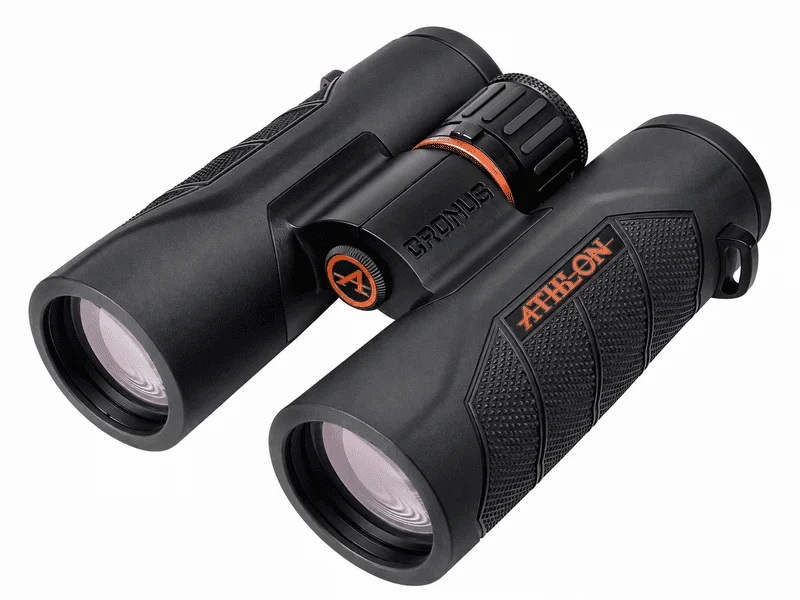
Athlon Cronus G2 UHD 15×56
A technically ambitious 15×56 combining UHD glass, field-flattening optics, dielectric coatings, Abbe prisms, and a magnesium chassis.
Why We Selected It
The Cronus G2 is positioned between value-oriented 15×56 binoculars and premium European optics. UHD glass addresses color fringing, the E2ES field-flattening system targets edge performance, and the dielectric prism treatment is designed for high light transmission. Its 235-ft field is also among the wider figures in the 15x group, making it a strong balanced recommendation.
- UHD extra-low-dispersion glass helps control chromatic fringing, supporting cleaner high-contrast detail at long viewing distances.
- The 235-ft field at 1,000 yd gives useful scanning room despite the substantial 15x magnification.
- E2ES field flattening is intended to maintain useful sharpness farther toward the edge rather than concentrating performance only in the center.
- Waterproof construction and argon purging make the binocular better suited to demanding outdoor use and temperature changes.
Buyers wanting advanced optical features in the practical 15×56 format without immediately stepping into the highest premium price tier.
Ultralight travel or casual handheld viewing; its 45.2 oz weight and 15x magnification favor deliberate, supported observation.
Our Verdict
The Cronus G2 UHD 15×56 is attractive because its specification is focused on image quality rather than merely magnification. UHD glass, dielectric treatment, field flattening, and a magnesium chassis give it a credible role for demanding long-range use. The Diamondback is lighter and less expensive, while the ZEISS offers a more premium overall optical proposition. The Athlon sits productively between them: a choice for the buyer willing to pay for more sophisticated optics but not necessarily for the prestige and price of the premium segment.
PROs 👍
- UHD glass
- Field-flattening system
- 235-ft field
- Waterproof and argon purged
CONs 👎
- 45.2 oz weight
- Tripod highly desirable at 15x
Assessment is based on Athlon’s published specifications and product documentation for the exact Cronus G2 UHD 15×56 configuration.
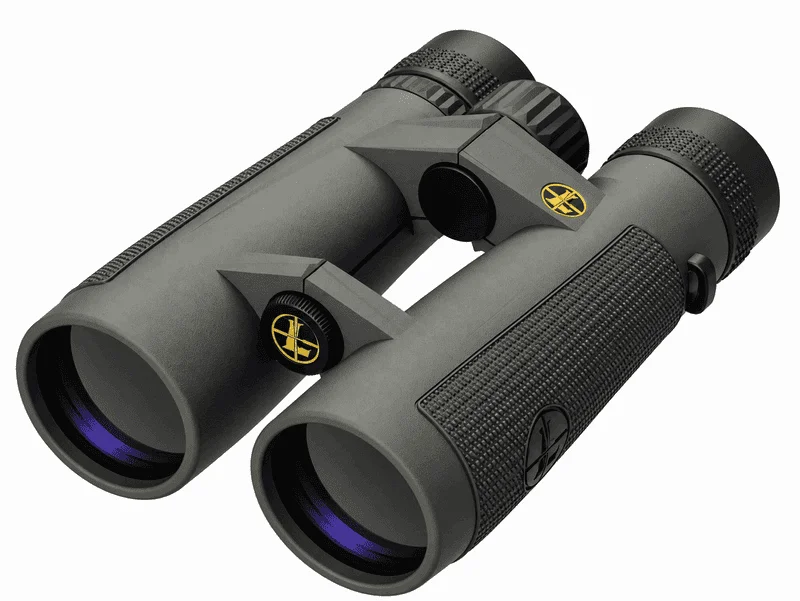
Leupold BX-5 Santiam HD 15×56
A professional-grade 15×56 aimed at long observation sessions, harsh outdoor conditions, and users who prioritize resolution and glare control.
Why We Selected It
Leupold explicitly builds this configuration around long-range identification and extended glassing. The 15×56 combines 18 mm eye relief, a 231-ft field, HD lenses, fully multi-coated optics, phase-coated roof prisms, and waterproof/fogproof construction. A built-in tripod interface and included tripod tray reinforce its role as a serious supported observation instrument rather than an oversized general-purpose binocular.
- The professional-grade optical system emphasizes light transmission and glare reduction, both valuable when distant targets sit against difficult bright backgrounds.
- Eighteen-millimeter eye relief supports more comfortable prolonged observation and is particularly relevant to many eyeglass wearers.
- A 231-ft field balances the target scale of 15x with enough viewing width for searching broad terrain.
- Waterproof and fogproof construction supports intensive field use across changing weather and temperature conditions.
Professional guides, hunters, range users, and demanding observers who spend long periods glassing distant terrain from a supported position.
Occasional users who will not exploit its field durability and optical refinement; less expensive 15×56 binoculars can be more rational for casual use.
Our Verdict
The BX-5 Santiam HD justifies its Professional Choice position through a combination of optical specification, environmental durability, ergonomics, and explicit long-range design. It does not win by offering more magnification than the competition; it aims to make 15x observation more productive over long sessions. Compared with the Diamondback, the cost increase is substantial. Compared with the ZEISS Conquest HDX, it competes in a similarly serious use case but with a different optical and ergonomic package. It makes the most sense when long-range glassing is a repeated activity rather than an occasional experiment.
PROs 👍
- Professional-grade optical system
- 18 mm eye relief
- Waterproof and fogproof
- Integrated tripod support
CONs 👎
- Premium price
- 45 oz class weight
Evaluation is based on Leupold’s published specifications, optical-system description, environmental-protection claims, and comparison with competing 15×56 binoculars.
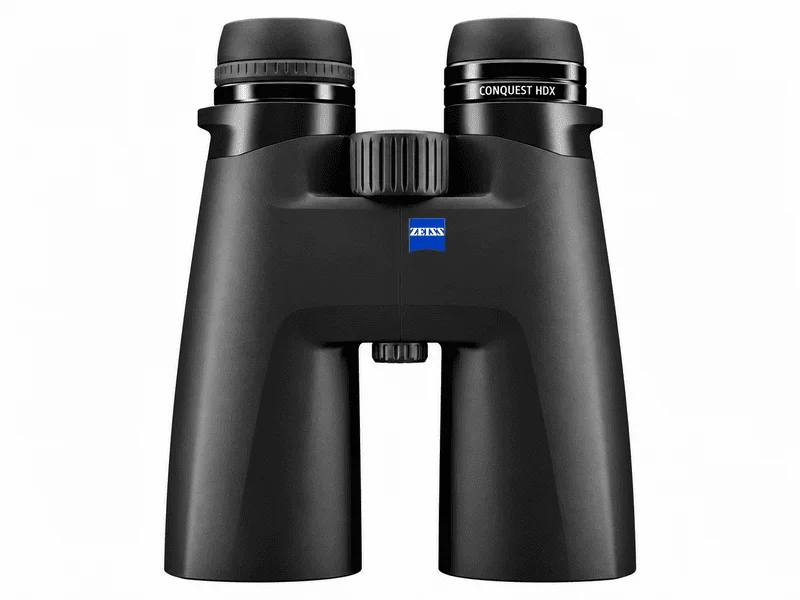
ZEISS Conquest HDX 15×56
A premium 15×56 with 90% stated light transmission, a wide 240-ft field, field-flattening technology, and robust weather protection.
Why We Selected It
The Conquest HDX 15×56 combines several attributes that matter directly at long range: 90% stated light transmission, a 3.7 mm exit pupil, 240-ft field at 1,000 yd, HD optics, ZEISS T* and LotuTec coatings, nitrogen filling, and an Abbe-König prism system. It is the strongest premium general-purpose 15×56 in this particular shortlist for buyers not requiring a reticle.
- The stated 90% transmission supports a bright, high-contrast viewing system while retaining a useful 3.7 mm exit pupil at 15x.
- A 240-ft field at 1,000 yd is notably generous for a 15x binocular and helps when searching wide areas for distant subjects.
- FieldFlattener technology is designed to maintain high resolution toward the field edge, increasing the usable visual area.
- Nitrogen filling, 400 mbar water resistance, and LotuTec treatment make the optical package suitable for serious outdoor observation.
Demanding long-range observers who want premium 15x optics, a relatively wide field, strong weather protection, and no specialized ranging reticle.
Budget-conscious buyers or people who use binoculars only occasionally; much of the price is justified by optical refinement rather than additional magnification.
Our Verdict
The Conquest HDX demonstrates why magnification alone is a poor way to rank long-range binoculars. Its 15x number is lower than the 18x and 20x alternatives, yet the combination of premium optical design, 90% stated transmission, field flattening, and a 240-ft field makes it highly compelling for sustained observation. A stable 15x image with strong contrast can be more informative than a compromised 20x view. The price only makes sense for buyers who will appreciate that difference; otherwise, the Diamondback or Athlon offers a more economical route into the same basic 15×56 format.
PROs 👍
- 90% stated transmission
- Wide 240-ft field
- Field-flattening technology
- Strong environmental protection
CONs 👎
- Premium price
- Tripod still desirable
- 44.6 oz weight
Assessment uses ZEISS technical data for the exact Conquest HDX 15×56 configuration and comparison with other premium long-range binoculars.
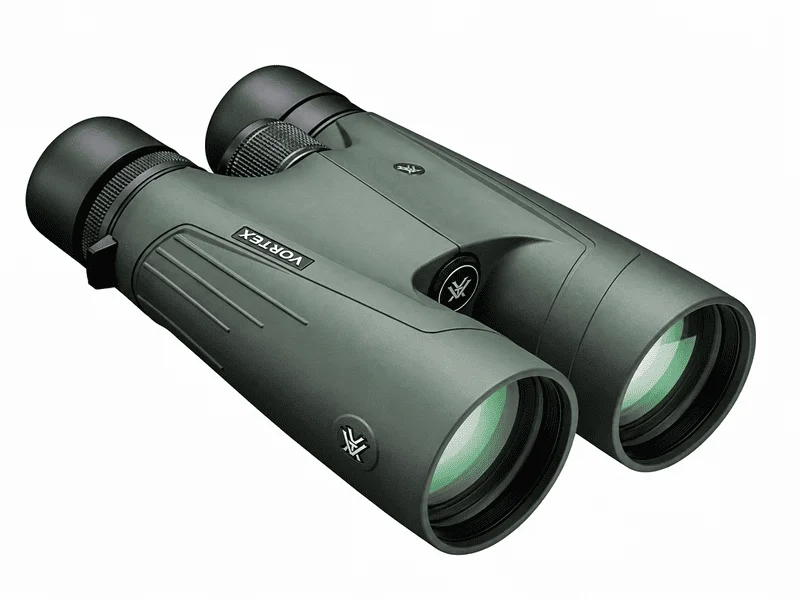
Vortex Kaibab HD 18×56
A purpose-built 18×56 for observers who want more target scale than 15x and are prepared to make tripod support part of the system.
Why We Selected It
The Kaibab is explicitly designed around long-range glassing. Its 18x magnification gives more apparent target scale than the 15×56 group, while the 56 mm objectives keep the instrument substantially smaller than an 80 mm Porro binocular. Vortex’s HD optical system, XR Plus coatings, phase correction, and included tripod adapter reinforce its premium long-range role.
- Eighteen-power magnification enlarges distant subjects more than 15x, potentially helping with identification when atmospheric conditions and support are favorable.
- The 56 mm objective produces an approximately 3.1 mm exit pupil, balancing higher power against a still-practical aperture.
- XR Plus anti-reflective coatings are intended to maximize transmission and support contrast in challenging light.
- The included tripod adapter acknowledges the reality of 18x observation: stabilization is essential for extracting the available fine detail.
Long-range hunters, wildlife observers, and landscape users who deliberately work from a tripod and want more apparent scale than conventional 15×56 binoculars.
Frequent unsupported use. If handheld mobility matters, Canon’s stabilized 18×50 addresses the shake problem much more directly.
Our Verdict
The Kaibab is the premium choice for someone who specifically wants to move beyond 15x without adopting the bulk of a 20×80. Its 18×56 specification occupies a useful middle ground, but the advantage depends on stability and atmospheric quality. At 12-mile-class distances, heat shimmer can erase the theoretical benefit of extra magnification, so 18x should not be treated as a guarantee of more information. On a solid tripod in favorable air, however, the added scale makes the Kaibab one of the most purpose-specific long-range instruments in this ranking.
PROs 👍
- 18x magnification
- Purpose-built for long range
- Premium coatings
- Tripod adapter included
CONs 👎
- Tripod effectively required
- 194-ft field is narrower than premium 15x options
- Premium price
Evaluation is based on Vortex specifications for the Kaibab HD 18×56 and its documented long-range, tripod-oriented design.
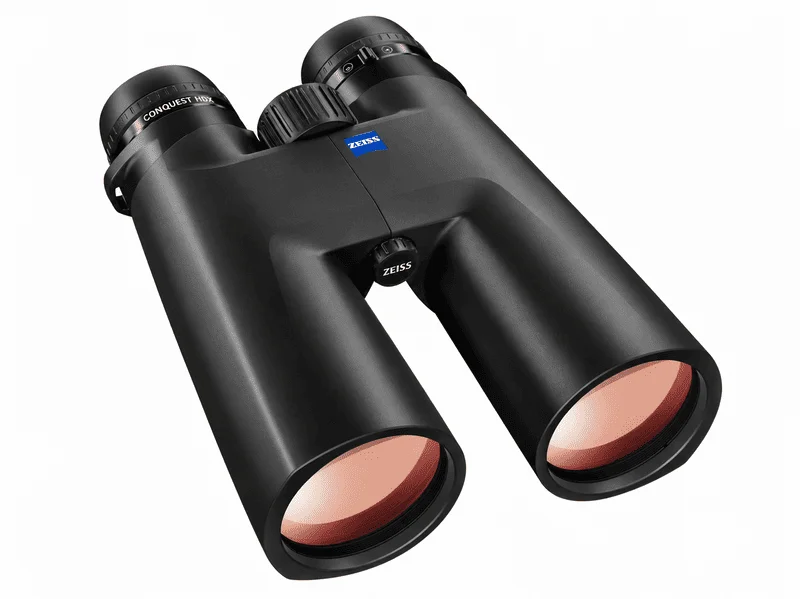
ZEISS Conquest HDX LRP 15×56
A specialized premium 15×56 that combines the Conquest HDX optical platform with an integrated MRAD reticle for precision observation.
Why We Selected It
The LRP is not merely a more expensive Conquest HDX. Its integrated milliradian reticle gives it a specialized role for precision shooting, impact assessment, and measurement-related observation. It retains the 15×56 platform’s 90% stated transmission, 240-ft field, 18 mm eye relief, T* and LotuTec coatings, nitrogen purging, and Abbe-König prism architecture.
- The integrated MRAD reticle adds measurement and correction-reference capability that ordinary observation binoculars cannot provide.
- A 240-ft field gives the 15x platform useful situational awareness while retaining enough magnification for detailed distant observation.
- ZEISS T* coatings and the HD optical concept prioritize contrast and clarity rather than relying on magnification alone.
- Nitrogen purging and 400 mbar waterproofing support professional outdoor use across changing environmental conditions.
Precision rifle competitors and specialized long-range users who can make direct practical use of an integrated MRAD reticle.
General landscape or wildlife observers. If the reticle serves no purpose, the standard Conquest HDX 15×56 is the more logical version.
Our Verdict
The LRP earns a premium position because it solves a specialized problem, not because every long-range observer needs it. For precision shooting, the reticle can convert the binocular from a passive viewing instrument into a measurement and communication tool. For general 20 km landscape viewing, that same feature adds little practical value, and the standard HDX is easier to justify. The important purchasing rule is therefore simple: choose the LRP only when you already know why you need MRAD references. Otherwise, spend the premium elsewhere.
PROs 👍
- Integrated MRAD reticle
- 90% stated transmission
- 240-ft field
- Premium weather protection
CONs 👎
- Specialized feature set
- High price
- Reticle unnecessary for general viewing
Assessment is based on ZEISS technical documentation for the Conquest HDX LRP 15×56, including the confirmed MRAD reticle and optical specifications.
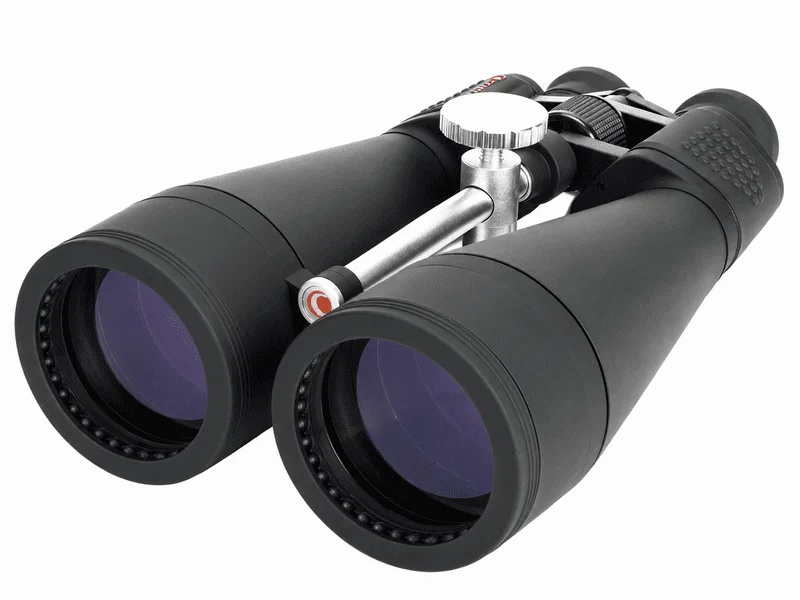
Celestron SkyMaster 20×80
A low-cost route to genuine 20x magnification and 80 mm objectives when tripod-based performance matters more than portability or premium construction.
Why We Selected It
The standard SkyMaster delivers the fundamental 20×80 formula at a much lower cost than premium long-range binoculars. Its 80 mm objectives produce a 4 mm exit pupil at 20x, while BaK-4 prisms and an integrated tripod adapter support its role as a fixed-position instrument. The compromises are simpler coatings, water resistance rather than confirmed waterproofing, and substantial weight.
- Twenty-power magnification offers substantial apparent target scale for distant terrestrial objects when mounted on a stable tripod.
- Eighty-millimeter objectives preserve a 4 mm exit pupil, a clear brightness advantage over inexpensive 20×50 designs.
- The 195-ft field is wider than the SkyMaster Pro’s 168-ft specification, useful when locating distant targets.
- An integrated tripod adapter simplifies mounting, which is essential given the 75 oz instrument weight.
Budget-conscious observers with a fixed viewing position and a suitable tripod who want maximum magnification and aperture for the money.
Wet-weather field use, hiking, or buyers wanting premium optical refinement. The Pro version is more appropriate when environmental protection matters.
Our Verdict
The standard SkyMaster 20×80 is a rational budget instrument when expectations are properly set. It gives you a lot of objective aperture and magnification for relatively little money, but it should not be mistaken for a handheld 20x solution or a premium optical system. A good tripod is part of the purchase. Compared with the Bushnell 20×50, the Celestron’s 80 mm objectives and 4 mm exit pupil make it more attractive for sustained fixed-position viewing. Compared with the SkyMaster Pro, it saves money by accepting simpler environmental protection and coatings.
PROs 👍
- Low-cost 20×80 format
- 4 mm exit pupil
- BaK-4 prisms
- Integrated tripod adapter
CONs 👎
- 75 oz weight
- Only water-resistant
- Simpler coatings than Pro version
Assessment uses Celestron’s published specifications for the standard SkyMaster 20×80 and comparison with the SkyMaster Pro and other budget high-power binoculars.
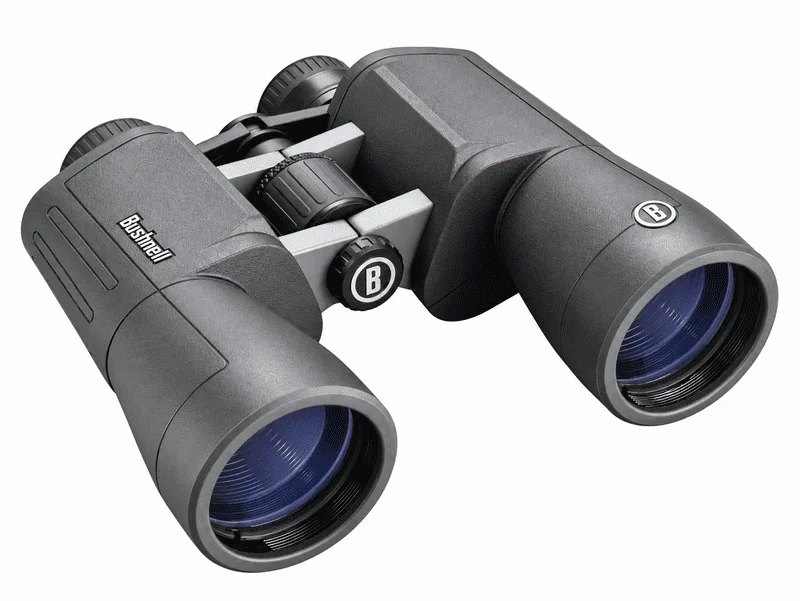
Bushnell PowerView 2 20×50
The lightest and least expensive 20x option here, trading aperture, exit pupil, and optical refinement for portability and accessibility.
Why We Selected It
The PowerView 2 represents the opposite philosophy from an 80 mm giant binocular. It delivers 20x magnification in a 28.4 oz body with tripod adaptability and a very accessible price. The compromise is a 2.5 mm exit pupil, BK-7 prism glass, 165-ft field, and simpler multi-coated optics. It is included because some buyers need inexpensive magnification more than maximum optical performance.
- The 20×50 format gives substantial magnification in a much lighter package than the 20×80 alternatives, improving portability.
- At 28.4 oz, it is the easiest 20x binocular in this shortlist to transport, although stabilization remains important during actual viewing.
- Tripod adaptability allows users to eliminate much of the shake that would otherwise undermine the practical value of 20x magnification.
- The low purchase price makes it a reasonable way to determine whether high-power fixed-magnification viewing suits your needs before investing substantially more.
Budget buyers seeking inexpensive 20x magnification for bright daytime viewing and occasional supported long-distance observation.
Low-light observation, demanding identification tasks, or buyers expecting premium resolution and brightness at extreme distances.
Our Verdict
The PowerView 2 should be purchased for what it is: an inexpensive, relatively portable 20x binocular, not a shortcut to premium 20 km observation. Its 2.5 mm exit pupil and basic optical specification place clear limits on its ambitions. Still, its low weight, fixed 20x power, and tripod compatibility give it a legitimate budget role. If the binocular will live on a tripod at home, the SkyMaster 20×80 offers a stronger optical proposition. If carrying weight and initial cost dominate the decision, the Bushnell is easier to justify.
PROs 👍
- Very affordable
- 20x magnification
- Only 28.4 oz
- Tripod adaptable
CONs 👎
- Small 2.5 mm exit pupil
- BK-7 prism glass
- Narrow 165-ft field
- Limited low-light appeal
Evaluation uses Bushnell’s specifications for product ID PWV2050 and comparison with larger-aperture 20x binoculars in the shortlist.
How to Choose Binoculars for 20 km Long-Range Observation
At extreme terrestrial distances, the correct purchase is determined less by a claimed “range” and more by the interaction between magnification, resolution, stability, atmospheric conditions, objective size, and the observer’s actual use pattern.
What You Gain — and Give Up
- 15×56 → strong long-range scale with manageable dimensions and a roughly 3.7 mm exit pupil, but a tripod is still preferable for fine inspection.
- 18x–20x → larger apparent target detail, but greater sensitivity to shake, atmospheric distortion, and narrower fields of view.
- 80 mm objectives → more light-gathering capacity and a useful 4 mm exit pupil at 20x, but dramatically more weight and tripod demand.
- Image stabilization → much more usable handheld high-power viewing, but higher price, batteries, and additional mechanical/electronic complexity.
- Premium optical systems → better contrast, color control, edge quality, and transmission potential, but no ability to eliminate haze or thermal shimmer.
- Compact 20×50 → high nominal magnification at low weight and cost, but a smaller exit pupil and greater optical compromises than larger high-power systems.
What to Avoid for 20 km Long-Range Observation
- Do not buy by “range” claims: there is no meaningful fixed 20 km cutoff that determines whether a binocular is suitable.
- Do not choose magnification alone: unstable 20x viewing can reveal less usable detail than a steady, optically stronger 15x image.
- Do not ignore tripod weight: a 20×80 plus inadequate support can become a frustrating system despite impressive optical specifications.
- Avoid implausible cheap zoom claims: extreme magnification numbers do not guarantee resolution, alignment, brightness, or useful image quality.
- Do not confuse configurations: field of view, eye relief, weight, and other specifications can change substantially between magnifications in the same product family.
- Do not overpay for unused specialization: an MRAD reticle or other professional feature is valuable only when your actual observation workflow requires it.
Special Cases & Key Dilemmas
Extreme-distance viewing creates several decisions that ordinary 8x or 10x binocular buyers rarely face.
Yes, large objects can readily be visible at that distance, but visibility and identification are different problems. Target size, contrast, atmospheric clarity, optical resolution, magnification, and stability determine how much detail you can actually distinguish.
No. Twenty power provides greater apparent scale, but also magnifies shake and atmospheric distortion. Under poor seeing or without solid support, a high-quality stable 15x image can be more informative.
For prolonged fine-detail inspection, it is highly desirable at 15x and increasingly essential at 18x–20x unless the binocular has effective image stabilization. Heavy 20×80 instruments should be treated as tripod-based optics.
Choose stabilization when you frequently move between observation points, cannot deploy a tripod quickly, or need high magnification from a vehicle, balcony, or other setting where mobility matters. Canon’s 18×50 IS is particularly relevant to this use case.
It can be when the binocular remains at a fixed observation point. At 20x, an 80 mm objective provides a 4 mm exit pupil, but the resulting instrument is far heavier than a 15×56 or 20×50 and requires stronger support.
Yes when optical contrast, chromatic-aberration control, transmission, and edge performance are limiting the view. However, premium glass cannot recover detail destroyed by haze or heat shimmer, so atmospheric conditions remain a fundamental limitation.
If you observe occasionally in bright daylight from a fixed position, an affordable 15×56 or tripod-mounted 20×80 can be sufficient. Premium models make more sense when long-range observation is frequent enough for incremental gains in contrast, comfort, weather protection, and optical refinement to matter.
Final Recommendation
For most buyers searching for binoculars to observe targets around 20 km away, start with a good 15×56 plus a tripod rather than automatically buying the highest magnification available. The Vortex Diamondback HD 15×56 is the value-oriented starting point, while the ZEISS Conquest HDX 15×56 is the premium route when optical refinement justifies the extra cost. Choose the Canon 18×50 IS when high-power handheld use is central to the requirement. Move to the Vortex Kaibab 18×56 or a Celestron 20×80 only when you accept tripod-based observation and genuinely want greater apparent scale. Above all, remember that at 20 km the atmosphere can become the dominant limitation: stable, high-contrast optics used in favorable conditions are more useful than an exaggerated magnification specification.








The How to choose binoculars for 20 km range angle caught my eye in the feed. The practical detail here is what most coverage skips, and it’s the part that actually matters. Looking forward to more like this.