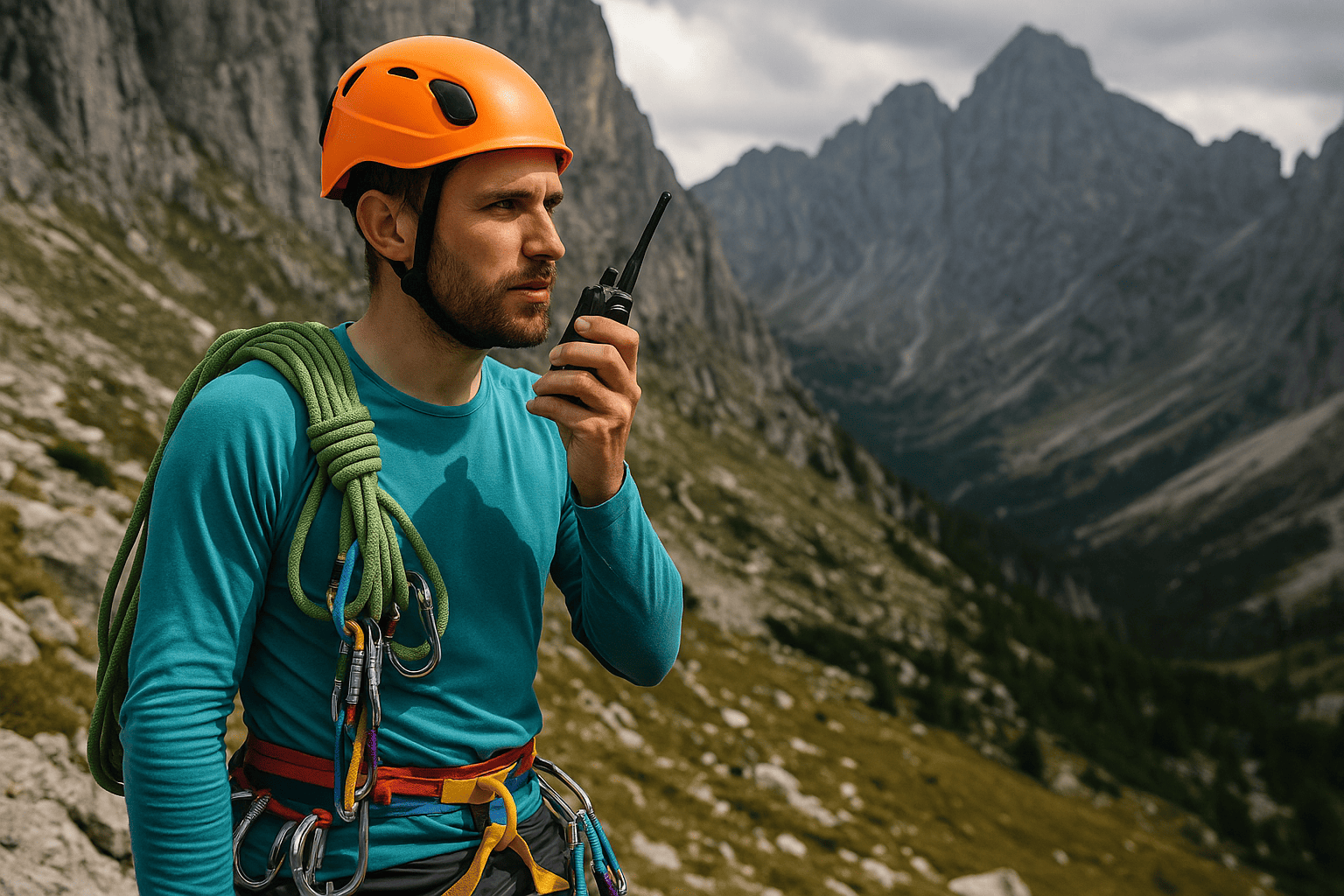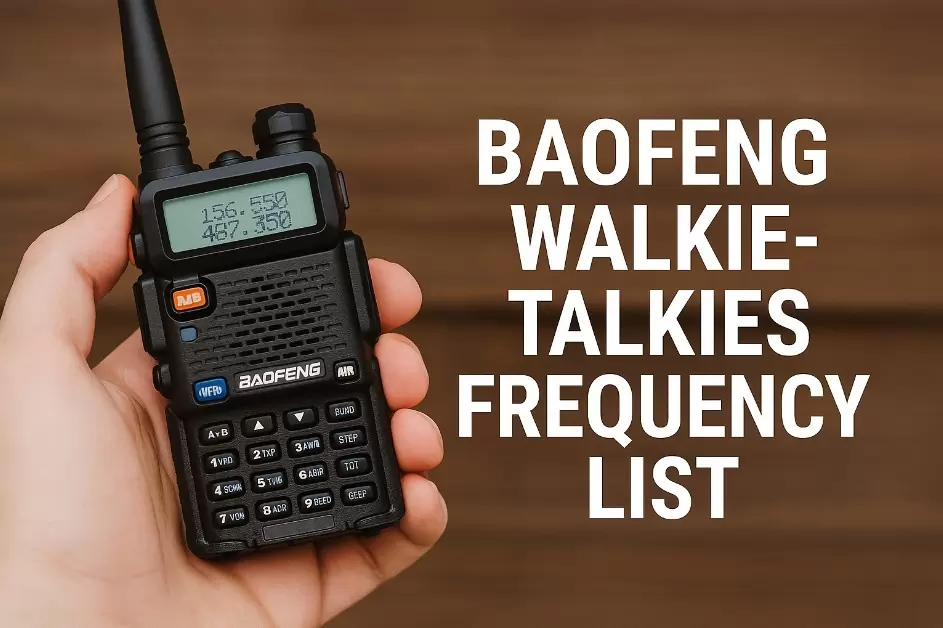
Heading out for a hike and want to stay connected with your group, even where cell service is a distant dream? A walkie talkie is your trusty sidekick! Unlike your smartphone, which might give up in the wilderness, walkie talkies keep you in touch on trails, in mountains, or deep in the forest. But how do you pick the perfect one for hiking? In this article, I’ll break down the top 10 walkie talkies ideal for your adventures, compare their advantages and desadvantages, and help you choose the one that’ll make your activity safer and more interesting. We’ll also touch on important stuff like range, durability, and even frequency rules for hiking in Europe.
Why Walkie Talkies Are a Hiking Must-Have

Picture this: you’re in the mountains, no one’s around, and your hiking buddy is a couple of miles behind. Your phone’s useless—no signal. That’s where a walkie talkie swoops in to save the day. It lets you coordinate with your group, share weather updates, or even call for help. But not all walkie talkies are created equal for hiking. You need one that can handle rain, last all day, and keep the signal clear even when a mountain or dense forest stands in the way.
Key Factors to Consider When Choosing a Walkie Talkie for Hiking:
- Range: Manufacturers love to boast huge ranges (like 36 miles), but in real-world conditions (forests, mountains), expect 0.3–3 miles.
- Battery Life: For long hikes, you need at least 8 hours, ideally days, of juice.
- Durability and Waterproofing: Look for models that can survive drops, dust, and rain (IP56 or IP67 ratings are your friends).
- Weight and Size: Lightweight and compact models won’t weigh down your pack.
- Extra Features: NOAA weather alerts, a flashlight, or VOX (hands-free) can be game-changers.
Choosing the Right Walkie Talkie for Your Hiking Adventure
Not every hike is the same, and neither are walkie talkies! Whether you’re strolling with the family or tackling a rugged mountain trail, here’s how to pick the perfect one for your vibe:
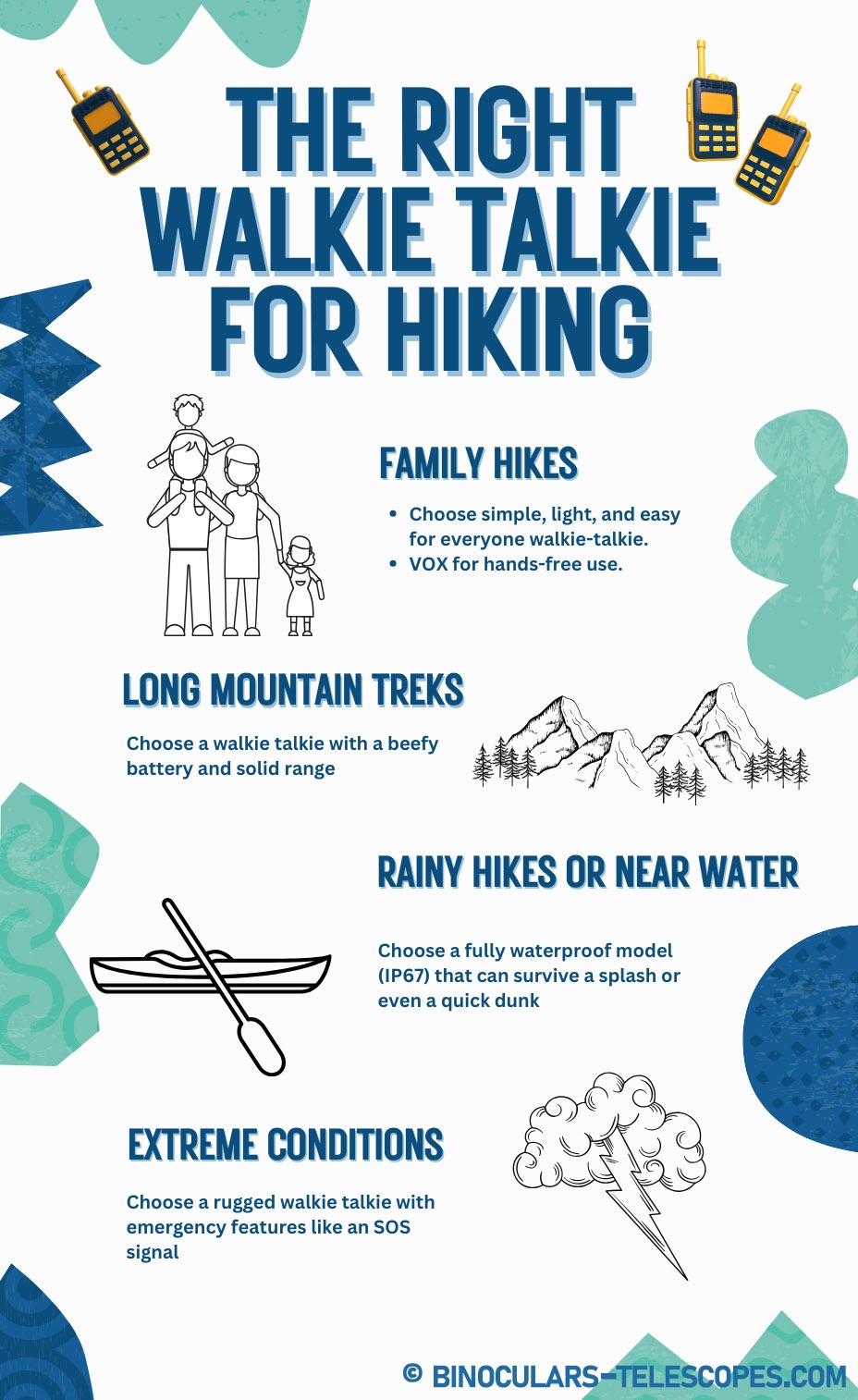
- Family Hikes: You want something simple, light, and easy for everyone (even the kids) to use. Look for models with hands-free VOX so you can chat while wrangling snacks or tying shoelaces. Try the Motorola T100—it’s a breeze to use.
- Long Mountain Treks: For those epic, all-day climbs, you need a walkie talkie with a beefy battery and solid range, even in rocky or forested areas. The Rocky Talkie 5 Watt is a great pick for staying connected on tough trails.
- Rainy Hikes or Near Water: If you’re hiking through drizzle or near rivers, go for a fully waterproof model (IP67) that can survive a splash or even a quick dunk. The Cobra ACXT1035R FLT is your go-to here.
- Extreme Conditions: For hardcore adventures in harsh weather or remote areas, choose a rugged walkie talkie with emergency features like an SOS signal. The Midland GXT1050VP4 has you covered.
Alright, now let’s dive into the fun part—my top 10 walkie talkies for hiking! I’ve carefully selected these based on their specs, real user feedback, and how they perform in the wild. I’ll break them down with a comparison table and lay out their pros and cons.
Top 10 Walkie Talkies for Hiking in 2025
1. Rocky Talkie Mountain Radio
Price: ~$110 each
Specs:
- Range: Up to 25 miles (ideal conditions), 1–5 miles in mountains
- Power: 2W (FRS, no license needed)
- Battery: Lithium-ion, 3–5 days
- Weight: 6.7 oz (190 g)
- Waterproofing: IP56 (splash-resistant)
Pros 👍:
- Tough build with a carabiner clip for easy pack attachment.
- Simple 5-button setup—easy to use even with gloves.
- Crystal-clear audio, even at long distances.
- Battery lasts through freezing temps (-4°F/-20°C).
Cons 👎:
- No NOAA weather channels.
- Not fully waterproof (skip it for kayaking).
- Pricier than budget options.
Who’s It For? Perfect for serious hikers, climbers, or skiers who need reliable comms in the mountains.
2. Midland GXT1050VP4
Price: ~$80 for a pair
Specs:
- Range: Up to 36 miles (ideal), 1–5 miles real-world
- Power: 5W (GMRS, license required)
- Battery: Rechargeable, up to 11 hours (or AA batteries)
- Weight: 8.1 oz (230 g)
- Waterproofing: JIS4 (splash-resistant)
Pros 👍:
- 50 GMRS channels and 284 privacy codes to dodge interference.
- SOS signal and NOAA weather alerts.
- Whisper mode for quiet chats (great for wildlife spotting).
- Sturdy build that handles light rain.
Cons 👎:
- Needs a GMRS license in the USA.
- Battery drains faster than some competitors.
- Menu can feel tricky for newbies.
Who’s It For? Great for groups needing reliable comms and emergency features on hikes.
3. Cobra ACXT1035R FLT
Price: ~$130 for a pair
Specs:
- Range: Up to 35 miles (ideal), 0.5–1.5 miles real-world
- Power: 2W (FRS/GMRS)
- Battery: Rechargeable, up to 8 hours
- Weight: 7 oz (200 g)
- Waterproofing: IP67 (submersible up to 1m)
Pros 👍:
- Fully waterproof and floats—perfect for kayaking or rainy hikes.
- Rewind-Say-Again feature replays the last 20 seconds of chatter.
- Built-in flashlight and VOX for hands-free use.
- Rugged with grippy rubberized sides.
Cons 👎:
- Limited range in rough terrain.
- Battery life dips with heavy use.
Who’s It For? Hikers tackling wet trails or water-based adventures.
4. Motorola T465
Price: ~$100 for a pair
Specs:
- Range: Up to 35 miles (ideal), 1–3 miles real-world
- Power: 2W (FRS/GMRS)
- Battery: Rechargeable, up to 10 hours (or AA batteries)
- Weight: 6.7 oz (190 g)
- Waterproofing: IP54 (dust and splash-resistant)
Pros 👍:
- NOAA alerts and vibration mode for silent comms.
- Built-in flashlight and VOX for convenience.
- Class D amplifier for crisp audio.
- Lightweight and durable.
Cons 👎:
- Not fully waterproof.
- Range drops in dense forests.
Who’s It For? Hikers who want weather updates and solid performance in moderate conditions.
5. Backcountry Access BC Link 2.0
Price: ~$190 each
Specs:
- Range: Up to 3 miles real-world
- Power: 2W (FRS)
- Battery: Lithium-ion, up to 12 hours
- Weight: 12 oz (340 g, with mic)<
- Waterproofing: IP55 (dust and water jet protection)
Pros 👍:
- Unique external mic clips to your pack for easy access.
- Stellar audio clarity in mountains.
- Rugged build handles cold temps.
- Glove-friendly controls.
Cons 👎:
- Pricey.
- Shorter range than GMRS models.
- Mic can accidentally trigger in a pocket.
Who’s It For? Backcountry skiers and hikers needing a compact system for winter treks.
6. Midland X-Talker T51VP3
Price: ~$50 for a pair
Specs:
- Range: Up to 28 miles (ideal), 0.5–3 miles real-world
- Power: 0.5W (FRS)
- Battery: Rechargeable, up to 10 hours (or AAA batteries)
- Weight: 3.9 oz (110 g)
- Waterproofing: IPX4 (splash-resistant)
Pros 👍:
- Super lightweight and compact—great for day hikes.<
- Budget-friendly price.
- NOAA alerts and VOX included.
- Easy to use.
Cons 👎:
- Limited range in tough terrain.
- Not fully waterproof.
Who’s It For? Budget hikers and families needing simple comms for short trails.
7. Motorola T100 Talkabout
Price: ~$40 for a pair
Specs:
- Range: Up to 16 miles (ideal), 0.3–1 mile real-world
- Power: 0.5W (FRS)
- Battery: AAA batteries, up to 18 hours
- Weight: 4.2 oz (120 g)
- Waterproofing: None
Pros 👍:
- Featherlight and kid-friendly.
- Long battery life on AAA batteries.
- Dirt-cheap price.
- Simple controls.
Cons 👎:
- No waterproofing.
- Basic range and features.
Who’s It For? Families or kids needing basic comms for short hikes.
8. Retevis RT22
Price: ~$50 for a pair
Specs:
- Range: Up to 3 miles real-world
- Power: 2W (FRS)
- Battery: Lithium-ion, up to 12 hours
- Weight: 3.5 oz (100 g)
- Waterproofing: None
Pros 👍:
-
Ultra-light and pocket-sized.
-
No license needed and easy to use.
-
USB charging for convenience.
-
Clear audio quality.
Cons 👎:
-
Not waterproof.
-
Limited range in mountains.
Who’s It For? Light hikers who value portability and simplicity.
9. Uniden SX237-2CK
Price: ~$60 for a pair
Specs:
-
Range: Up to 23 miles (ideal), 1–3 miles real-world
-
Power: 2W (FRS)
-
Battery: Rechargeable, up to 14 hours
-
Weight: 5.3 oz (150 g)
-
Waterproofing: None
Pros 👍:
-
123 privacy codes to avoid crosstalk.
-
Group call feature for team hikes.
-
USB charging and simple controls.
-
Great for family outings.
Cons 👎:
-
No waterproofing.
-
Battery drains fast with heavy use.
Who’s It For? Families or small groups needing reliable mid-range comms.
10. Baofeng BF-F8HP
Price: ~$63 each
Specs:
- Range: Up to 5 miles real-world
- Power: 8W (requires amateur radio license)
- Battery: Lithium-ion, up to 20 hours
- Weight: 7.8 oz (220 g)
- Waterproofing: None
Pros 👍:
- Powerful signal for long-range comms.
- Supports VHF/UHF for versatility.
- Long-lasting battery.
Cons 👎:
- Needs an amateur radio license.
- Complex for beginners.
- Not waterproof.
Who’s It For? Experienced users willing to get a license for max range.
Feature Comparison Table
| Model | Real-World Range | Battery Life | Weight (oz) | Waterproofing | Price (Pair) |
|---|---|---|---|---|---|
| Rocky Talkie Mountain Radio | 1–5 miles | 3–5 days | 6.7 | IP56 | $220 |
| Midland GXT1050VP4 | 1–5 miles | 11 hours | 8.1 | JIS4 | $80 |
| Cobra ACXT1035R FLT | 0.5–1.5 miles | 8 hours | 7 | IP67 | $130 |
| Motorola T465 | 1–3 miles | 10 hours | 6.7 | IP54> | $100 |
| Backcountry Access BC Link | 3 miles | 12 hours | 12 | IP55 | $380 |
| Midland X-Talker T51VP3 | 0.5–3 miles | 10 hours | 3.9 | IPX4 | $50 |
| Motorola T100 Talkabout | 0.3–1 mile | 18 hours | 4.2 | None | $40 |
| Retevis RT22 | 3 miles | 12 hours | 3.5 | None< | $50 |
| Uniden SX237-2CK | 1–3 miles | 14 hours | 5.3 | None | $60 |
| Baofeng BF-F8HP | 5 miles | 20 hours | 7.8 | None | $126 |
5 Handy Tips for Using Walkie Talkies on Hikes
- Check the Charge Before You Go. Fully charge or pack spare AA/AAA batteries for compatible models.
- Pick the Right Channel. Use privacy codes to avoid chatter from other groups.
- Test the Range First. Try your walkie talkie in real conditions—forests or mountains cut range fast.
- Keep It Dry. If it’s not waterproof, use a sealed case in rain.
- Use VOX for Ease. Hands-free mode is a lifesaver when you’re juggling trekking poles or snacks.
Frequency Rules for Hiking in Europe
Planning a hike in Europe instead of the USA? Heads up: the frequencies you can use without a license are different. In Europe, PMR446 (446.00625–446.19375 MHz, up to 0.5W) is widely allowed, while LPD433 (433.075–434.775 MHz) is banned in some countries like the UK. Check local regulations before you go to avoid fines. For a full breakdown, see this guide: Free walkie-talkie frequencies in Europe.
Frequently Asked Questions
What’s the real range of walkie talkies on a hike?
It depends on terrain. Open fields might give you 3 miles, forests 0.25–0.6 miles, and mountains 1–3 miles. Manufacturer claims (like 36 miles) assume perfect conditions, which rarely happen.
Do I need a license for walkie talkies?
In the USA, FRS models (up to 2W) are license-free. GMRS (up to 5W) requires an FCC license ($35). In Europe, PMR446 is license-free, but other bands may have restrictions.
Rechargeable or replaceable batteries?
Rechargeables are great for short hikes, but for long treks, go for models that take AA/AAA batteries—they’re easier to swap out in the wild.
Wrap-Up
Choosing the right walkie talkie for hiking is all about balancing your needs and budget. For family outings, grab the affordable Motorola T100 or Midland X-Talker T51VP3. For serious mountain treks or wet conditions, go for the Rocky Talkie Mountain Radio or Cobra ACXT1035R FLT. And if you’re hiking in Europe, double-check those frequency rules to stay legal and connected.
So, which walkie talkie are you eyeing? Drop a comment with your next hiking plan, and I’ll help you pick the perfect one! Got a walkie talkie story from the trail? I’d love to hear it!